
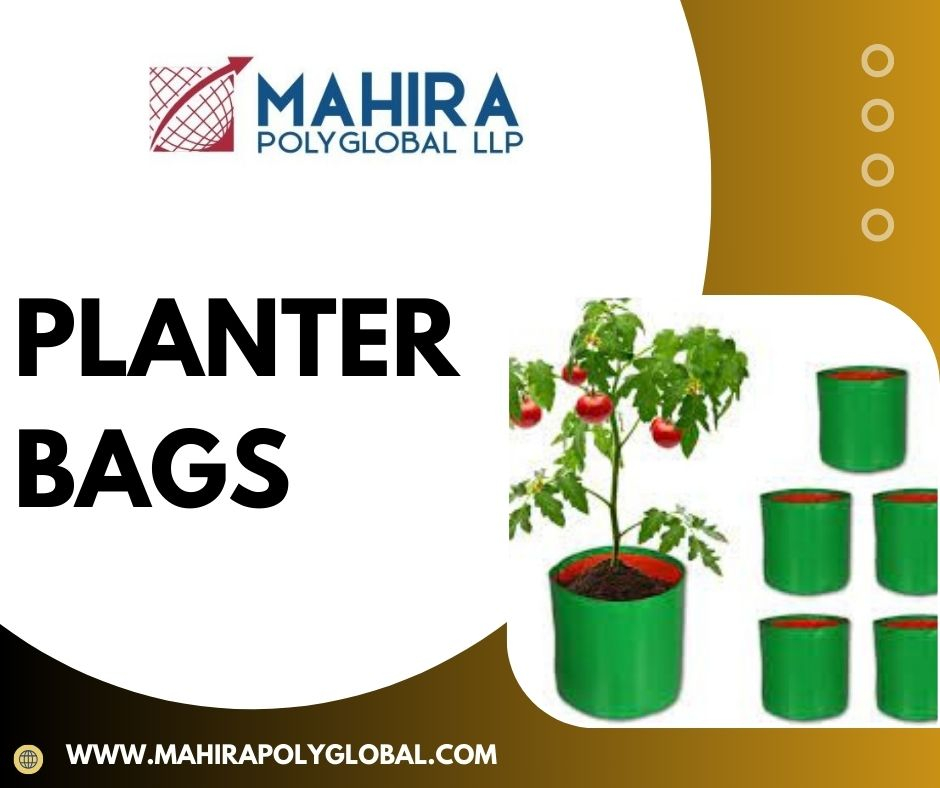
In recent years, the popularity of urban gardening and small-scale farming has surged, prompting many to seek innovative solutions for growing plants in limited spaces. One such solution that has captured the attention of both novice gardeners and seasoned horticulturists is the use of planter bags. These versatile bags offer numerous advantages over traditional gardening methods, making them an ideal choice for modern gardeners. In this article, we will explore the benefits of using planter bags for your garden and provide insight into the best practices for selecting and using these gardening tools. We will also highlight essential manufacturers, like Mahira Polyglobal LLP, that provide high-quality planter bags.
What Are Planter Bags?
Planter bags are specially designed containers used for growing plants. They come in various materials, including non-woven fabric, plastic, and recycled materials. Unlike traditional pots or garden beds, planter bags are flexible and portable, making them suitable for various gardening applications, from small indoor herb gardens to large-scale agricultural endeavors.
Benefits of Using Planter Bags
1. Space Efficiency
One of the most significant advantages of planter bags is their ability to optimize space. In urban environments where yard space is limited, these bags can be placed on balconies, rooftops, or patios. Their flexible design allows you to utilize vertical space, enabling you to maximize your gardening potential within confined quarters.
2. Improved Drainage and Aeration
Planter bags, especially those made from non-woven materials, provide excellent drainage and aeration. The breathable fabric allows air to circulate while preventing water retention, which can lead to root rot. This quality is essential for ensuring healthy root development, as it promotes oxygen exchange and helps keep the soil evenly moist.
3. Lightweight and Portable
Products designed by manufacturers for bags like Mahira Polyglobal LLP ensure that planter bags are lightweight and easy to handle. This portability allows gardeners to move their plants to optimize sunlight exposure or protect them from harsh weather. Additionally, plants can be relocated as needed, making them ideal for seasonal gardening.
4. Customizable Planting Choices
Planter bags can be used to grow a wide variety of plants, from vegetables and herbs to flowers and ornamental grasses. Gardeners can tailor the bag's contents to specific plant needs, selecting soil mixes that provide the right nutrients and drainage for optimal growth. This flexibility allows for experimentation with diverse plant species.
5. Reduced Weeding
Weeds can be a gardener’s worst enemy. By using planter bags, you can significantly reduce weed growth. Because the bags can be placed on hard surfaces, the likelihood of weeds sprouting is much lower than in traditional garden beds. This reduction allows plants to thrive without competition for nutrients and water.
6. Cost-Effectiveness
When compared to building raised beds or other extensive garden structures, planter bags are a cost-effective solution. They require minimal investment, are reusable over multiple growing seasons, and are generally more affordable than traditional pots. This factor makes them accessible for beginners and seasoned gardeners alike.
7. Eco-Friendly Options
Many Non woven bags manufacturers have begun producing environmentally friendly planter bags made from recycled materials, promoting sustainability. These eco-friendly options help reduce waste while providing an excellent gardening solution. By choosing such products, gardeners can contribute positively to the environment.
8. Enhanced Soil Temperature Regulation
The materials used in planter bags can help regulate soil temperature. These bags are insulated enough to protect roots from extreme hot and cold temperatures, creating a conducive environment for plant growth. This feature is essential for plants that are sensitive to temperature fluctuations.
9. Versatile Use in Different Environments
Whether you're gardening indoors, in a greenhouse, or outdoors, planter bags can accommodate a variety of environments. Their adaptability makes them suitable for indoor gardens where you might want to grow herbs or small vegetables, as well as outdoor setups like community gardens.
Best Practices for Using Planter Bags
To maximize the benefits of planter bags, it is essential to follow some best practices:
-
Choose Quality Bags: Select high-quality planter bags from reputable Manufacturer bags Mahira Polyglobal LLP, among other reputable brands, offers durable, breathable options that are designed for optimal plant growth.
-
Select the Right Size: Choose the size of the planter bag according to the type of plants you intend to grow. Larger plants require more substantial bags, while herbs and smaller plants can thrive in smaller sizes.
-
Use Suitable Soil Mix: Fill your bags with the appropriate soil mix. A well-draining potting mix will generally work best. You can also incorporate organic fertilizers to provide essential nutrients to your plants.
-
Water Mindfully: Due to their excellent drainage capabilities, planter bags often require more frequent watering than traditional pots. Monitor the moisture levels and water accordingly to keep plants healthy.
-
Rotate and Rearrange: Take advantage of the flexibility that planter bags offer. Rotate them regularly to ensure even sunlight exposure and prevent any plant from becoming leggy or out of balance.
Conclusion
The benefits of using planter bags for your garden are numerous and diverse. With their space-efficiency, portability, improved aeration, and customizable options, planter bags are a sustainable and effective solution for both urban and traditional gardeners. By selecting high-quality bags from trusted Manufacturer for bags such as Mahira Polyglobal LLP, and following best practices in gardening, you can create a thriving garden, regardless of your available space. Whether you are a novice gardener or an experienced horticulturist, integrating planter bags into your gardening routine will undoubtedly enhance your ability to grow a vibrant, flourishing garden.
FAQs About Planter Bags
Q1: What materials are planter bags made from?
A1: Planter bags can be made from various materials, including non-woven fabric, plastic, recycled materials, and biodegradable options. Each material offers different advantages in terms of drainage, air circulation, and environmental impact.
Q2: How do I know which size planter bag to choose?
A2: The size of the planter bag should align with the type of plants you want to grow. For instance, larger vegetables like tomatoes may require bigger bags, while herbs can thrive in smaller containers.
Q3: Are planter bags reusable?
A3: Yes, high-quality planter bags can be reused for multiple growing seasons. After each season, ensure they are cleaned and stored properly to extend their lifespan.
Q4: Can planter bags be used indoors?
A4: Absolutely! Planter bags are perfect for indoor gardening and can be used for growing herbs, flowers, and small vegetables without taking up much space.
Q5: How often should I water plants in planter bags?
A5: Watering frequency depends on the plant type and environmental conditions. However, due to their excellent drainage, it's essential to monitor moisture levels and may require more frequent watering than traditional pots.
Q6: Why choose Mahira Polyglobal LLP as a manufacturer for bags?
A6: Mahira Polyglobal LLP is a reputable manufacturer known for producing high-quality planter bags that are durable, eco-friendly, and designed to meet the needs of modern gardeners. Their product range includes non-woven bags, plastic bags, and more, ensuring you find the perfect solution for your gardening project.
