
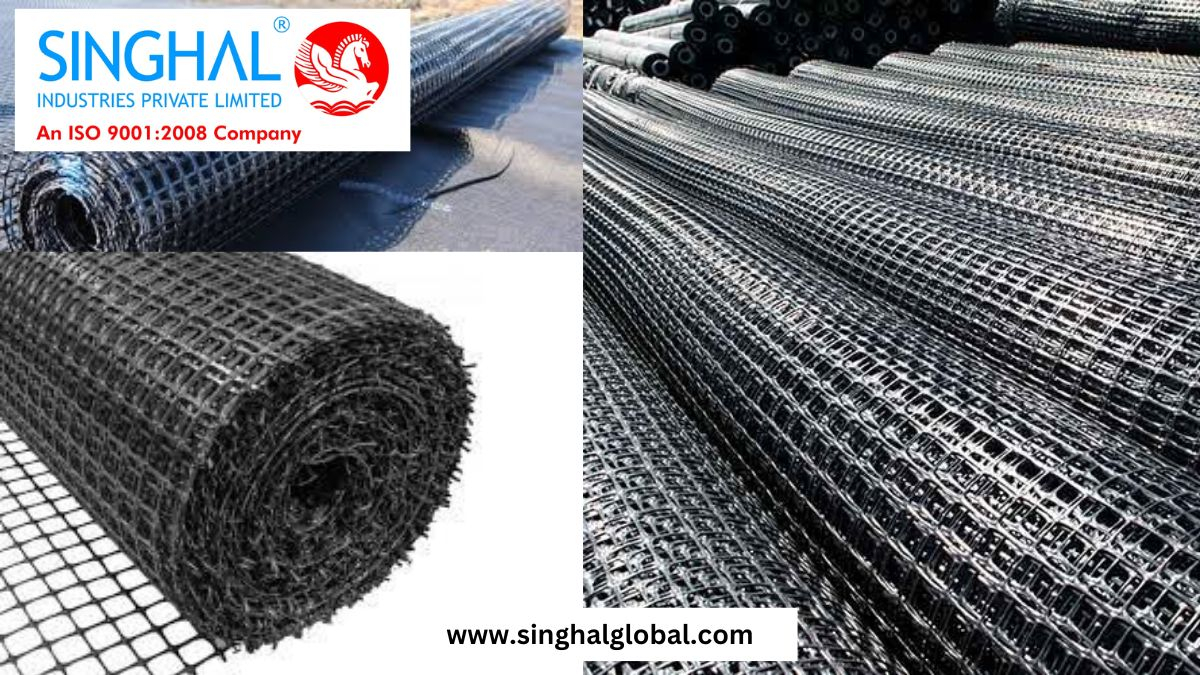
In civil engineering and construction, geosynthetics play a critical role in improving the stability, durability, and performance of various infrastructures. Among the various geosynthetic materials, biaxial geogrids have gained significant popularity due to their excellent strength properties, cost-effectiveness, and versatility. As a crucial component in soil reinforcement applications, biaxial geogrids are extensively used for soil stabilization, erosion control, and road construction. In this article, we will explore the applications, benefits, and role of geogrid manufacturers in India, Geogrid manufacturers in Ahmedabad, and geogrid suppliers in India in providing high-quality biaxial geogrids to meet the demands of the growing infrastructure industry.
What is a Biaxial Geogrid?
Biaxial geogrids are a type of geosynthetic material made from high-density polyethylene (HDPE) or polypropylene (PP) and are designed to reinforce soil. Unlike uniaxial geogrids, which provide strength in one direction, biaxial geogrids provide reinforcement in both directions — horizontally and vertically. This two-dimensional strength allows biaxial geogrids to distribute loads more effectively across the soil, improving stability and reducing the risk of soil failure under load-bearing conditions.
Biaxial geogrids are typically used in applications where soil reinforcement is required to enhance bearing capacity, increase structural stability, and reduce deformation. They are produced through a process of extrusion and subsequent stretching of the material, creating an open, grid-like structure that allows soil to interlock with the geogrid for enhanced performance.
Applications of Biaxial Geogrids
Biaxial geogrids are used across various industries, particularly in civil engineering and construction, to improve soil stabilization and structural integrity. Here are some key applications:
-
Road and Pavement Construction: Biaxial geogrids are widely used in road construction to reinforce the subgrade soil. By improving the soil's load-bearing capacity, geogrids help to prevent cracking, rutting, and displacement of road pavements. These geogrids are particularly effective in areas with weak or unstable subgrades, helping to reduce maintenance costs and improve the overall performance of roads.
-
Railway Track Reinforcement: In railway track construction and maintenance, biaxial geogrids are used to stabilize the track bed and prevent settlement over time. The use of geogrids helps distribute the loads from passing trains, minimizing deformation and enhancing the longevity of the track.
-
Retaining Walls: Biaxial geogrids are employed in the construction of reinforced soil retaining walls. These geogrids help distribute the loads of the wall more effectively across the soil, preventing soil erosion and increasing the stability of the structure. They are often used in the construction of both vertical and sloped retaining walls in areas prone to landslides or erosion.
-
Slope Stabilization: In areas where slopes are prone to erosion or instability, biaxial geogrids are used for slope reinforcement. The geogrids prevent the movement of soil, which helps maintain the integrity of slopes and prevents landslides, especially in areas with loose or loose-compacted soils.
-
Erosion Control: Biaxial geogrids help in soil erosion control applications by stabilizing loose soils and protecting them from the effects of water and wind erosion. When combined with vegetation or other erosion control methods, geogrids provide a solid foundation for plant growth, which further strengthens the soil structure.
-
Landfills and Waste Management: Biaxial geogrids are also used in landfills to provide reinforcement to the soil and prevent deformation under the weight of waste materials. The geogrids provide a stable foundation for landfill operations and help distribute the weight of the waste evenly across the surface.
Benefits of Biaxial Geogrids
The use of biaxial geogrids in construction projects offers several advantages over traditional methods of soil reinforcement. Here are some key benefits:
-
Increased Load-Bearing Capacity: One of the primary benefits of biaxial geogrids is their ability to enhance the load-bearing capacity of the soil. This allows the foundation of structures, such as roads, pavements, and retaining walls, to support higher loads without failure.
-
Improved Stability: Biaxial geogrids enhance the overall stability of soil by reducing the risk of shifting, erosion, and deformation. By reinforcing the soil in both directions, geogrids help prevent lateral displacement and improve the structural integrity of various projects.
-
Cost-Effective Solution: The use of biaxial geogrids reduces the need for costly excavation and soil replacement in construction projects. Geogrids help strengthen the existing soil, thus minimizing the need for additional materials and lowering overall project costs.
-
Durability and Longevity: Biaxial geogrids are highly durable and resistant to wear and tear. They are engineered to withstand harsh environmental conditions, including exposure to UV radiation, chemicals, and extreme temperatures. This durability contributes to the long-term performance of the structure and reduces maintenance needs.
-
Environmentally Friendly: Biaxial geogrids are made from recyclable materials such as HDPE and PP, making them an environmentally friendly option for soil reinforcement. By using geogrids, construction projects reduce the need for additional soil excavation, helping preserve natural resources and minimize environmental impact.
-
Ease of Installation: Biaxial geogrids are easy to transport, handle, and install. Their lightweight nature and flexibility make them suitable for a variety of applications, and installation is relatively quick, saving both time and labor costs on-site.
Role of Geogrid Manufacturers and Suppliers in India
India is witnessing significant growth in infrastructure development, and the demand for geosynthetics, including biaxial geogrids, is steadily increasing. Geogrid manufacturers in India are playing a key role in meeting this growing demand by producing high-quality geogrids that meet international standards and cater to various construction needs. Companies across India specialize in manufacturing biaxial geogrids that are tailored to the unique requirements of different sectors, such as road construction, railway, and slope stabilization.
Geogrid manufacturers in Ahmedabad are particularly well-known for their advanced manufacturing techniques and extensive experience in producing geogrids. These manufacturers produce biaxial geogrids in various specifications, offering flexible and customized solutions for the specific needs of construction and civil engineering projects.
As a leading hub for geosynthetics, Geogrid suppliers in India play a crucial role in distributing these materials to various regions across the country and to international markets. They ensure that construction projects have access to high-quality geogrids, providing them with the necessary materials for soil reinforcement and stabilization. By maintaining a strong supply chain and offering timely deliveries, these suppliers contribute to the success of infrastructure projects.
Summary
Biaxial geogrids are an essential component in modern civil engineering and construction projects, providing soil reinforcement and enhancing the structural stability of various infrastructures. With applications in road construction, railway track stabilization, retaining walls, and slope reinforcement, biaxial geogrids offer a wide range of benefits, including increased load-bearing capacity, durability, and cost-effectiveness. Geogrid manufacturers in India, geogrid manufacturers in Ahmedabad, and geogrid suppliers in India play a significant role in meeting the growing demand for these materials, ensuring the successful implementation of projects across the country and internationally. As infrastructure development continues to advance, the use of biaxial geogrids will remain an integral part of sustainable and efficient construction practices.
FAQs on Biaxial Geogrids
Q1: What is the difference between uniaxial and biaxial geogrids?
The primary difference between uniaxial and biaxial geogrids lies in their strength direction. Uniaxial geogrids provide reinforcement in only one direction (usually longitudinal), while biaxial geogrids offer reinforcement in two perpendicular directions (both horizontally and vertically). This makes biaxial geogrids more versatile and effective in a wider range of applications.
Q2: How long do biaxial geogrids last?
Biaxial geogrids are designed for long-term performance, with a lifespan of 20 to 50 years depending on the environmental conditions and usage. Their durability is enhanced by their resistance to UV radiation, chemicals, and extreme temperatures.
Q3: Are biaxial geogrids cost-effective?
Yes, biaxial geogrids are a cost-effective solution for soil reinforcement. They reduce the need for expensive soil replacement and excavation, and their long-term durability minimizes maintenance costs. The efficiency of their installation also saves labor and time costs, making them an economical choice for construction projects.
