
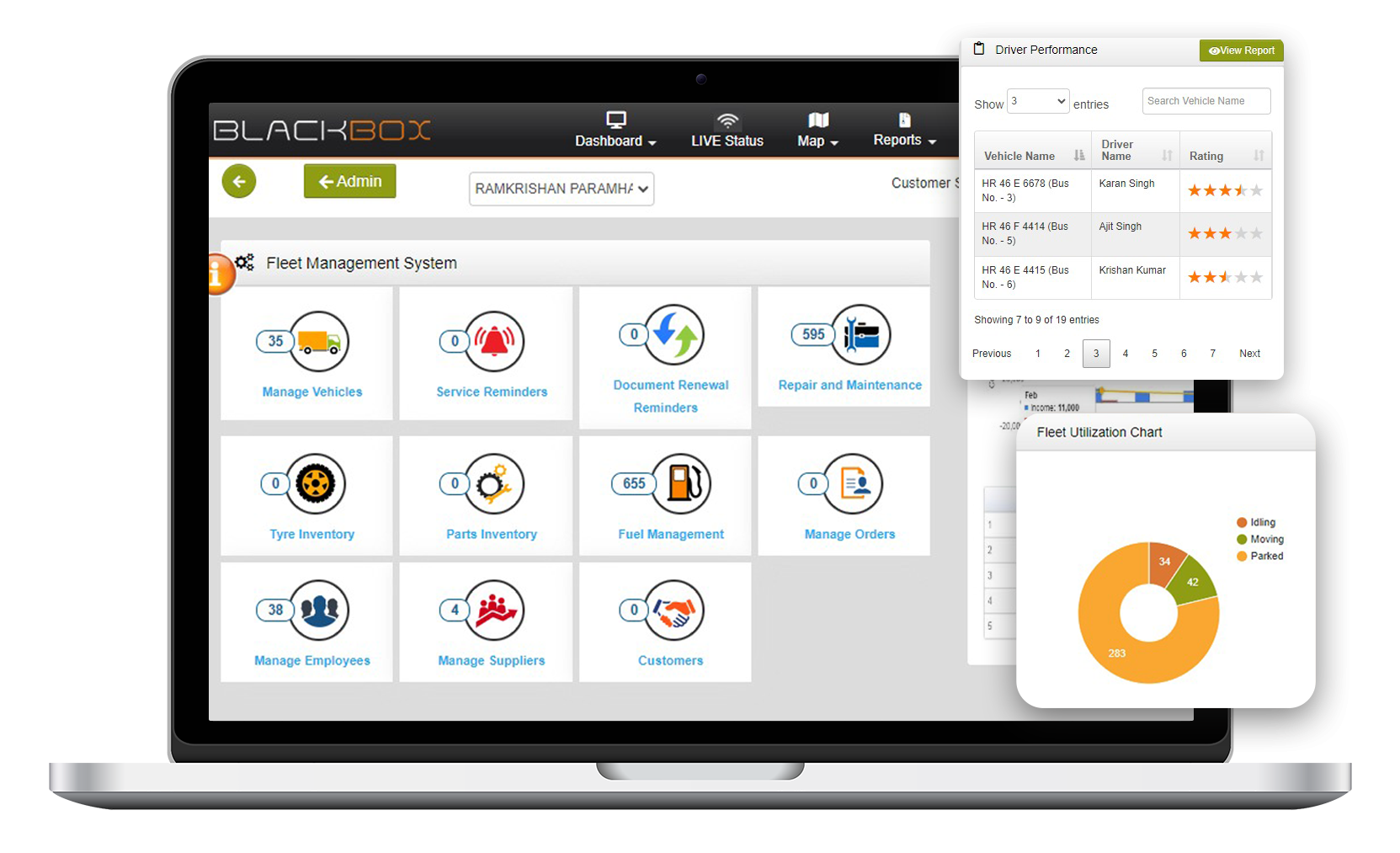
While the large, enterprise-level trucking and logistics fleets often command the most attention, a massive and arguably more dynamic segment of the Fleet Management Software Industry in the United States is the Small and Medium-sized Enterprise (SME) market. This "long tail" of the market is comprised of hundreds of thousands of small businesses that operate fleets ranging from just a handful of vehicles to a few dozen. This includes a vast array of businesses, such as local plumbing and HVAC contractors, landscaping companies, electricians, food delivery services, and small, regional trucking companies. For many years, this segment was largely underserved by the complex and expensive fleet management solutions that were designed for large enterprises. However, the rise of affordable, user-friendly, and cloud-based telematics solutions has been a game-changer, democratizing access to this powerful technology. For an SME, the value proposition of fleet management software is incredibly clear and compelling: it provides the visibility and control needed to reduce fuel costs, improve driver productivity, and provide better service to their customers, all without the need for a dedicated fleet manager. The SME segment represents a colossal market opportunity and is one of the fastest-growing parts of the industry.
Key Players
The key players that have successfully captured the US SME fleet market are those who have built a product and a go-to-market model that is specifically tailored to the needs of the small business owner. The major pure-play telematics providers, Geotab and Samsara, are key players in this space. They offer a self-installable hardware device and a user-friendly, mobile-first software platform that a small business owner can get up and running quickly and easily. They have also built out a large network of value-added resellers (VARs) and Managed Service Providers (MSPs) who are the primary sales and support channel for the SME segment. Verizon Connect is another major key player, leveraging its well-known brand and its ability to bundle telematics services with the small business's existing mobile phone and internet plans. A third group of key players are the providers of even simpler, more focused solutions, such as apps that are purely focused on GPS tracking or on ELD compliance for very small fleets. The competition in this segment is less about a massive list of features and more about simplicity, affordability, and ease of use.
Future in "Fleet Management Software Industry"
The future of the SME fleet management market in the United States will be a story of a continued move towards an all-in-one "business management" platform. The future will see the leading SME-focused providers move beyond just fleet management and integrate a wider range of business management tools into their platforms. This could include features like dispatching and scheduling for field service businesses, simple invoicing and payment processing, and integration with accounting software like QuickBooks. The goal is to become the single, central operating system for a small service-based business, with fleet management being a core but not the only component. Another major future trend will be a greater focus on the "prosumer" market, such as a small contractor who uses their personal pickup truck for their business. This will require the development of more flexible, app-based solutions that can easily separate business and personal mileage for tax purposes. The future is about providing a complete, easy-to-use, and affordable digital toolkit that helps the American small business owner to run their entire mobile operation more efficiently, a very different set of needs from the large enterprise market in North America or the SME markets in less-developed regions like Africa.
Key Points "Fleet Management Software Industry"
This analysis highlights several crucial points about the SME segment of the US fleet management market. It is a massive and fast-growing market, driven by the need for small businesses to gain greater efficiency and control over their mobile operations. The key players are the providers who offer simple, affordable, and user-friendly cloud-based solutions, often sold through a channel of resellers and MSPs. The future lies in the evolution of the fleet management platform into a more comprehensive, all-in-one business management solution for the small business owner. Ultimately, the successful democratization of telematics technology and its application to the vast SME market is a key reason for the industry's strong and sustained growth in the United States. The Fleet Management Software Industry is projected to grow to USD 60.09 Billion by 2035, exhibiting a CAGR of 6.92% during the forecast period 2025-2035.
Top Trending Reports -
